How to Choose the Best Flooring for Every Room in Your Home
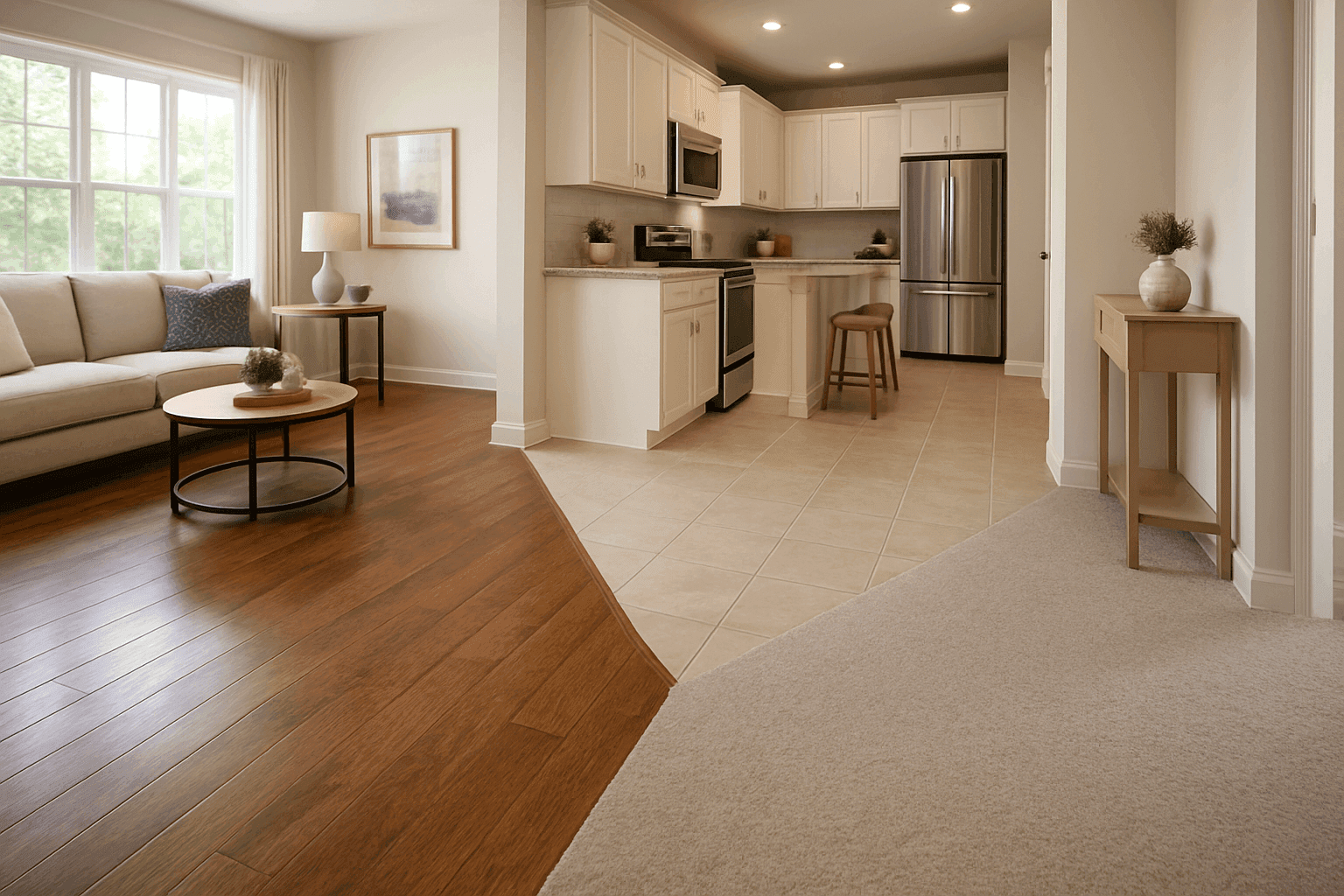
Choosing flooring for your home can feel like picking the right shoes for every occasion. Sometimes you need comfort, sometimes durability. Sometimes you want to make a statement. Your floors face spills, stomping boots, and the occasional dropped plate. They need to look good and hold up—year after year.
At Tianze Flooring, we know every room has its own demands. This guide walks you through the best flooring options for each space, helping you balance cost, comfort, and style with confidence.
Kitchen Flooring Choices 🍴
Your kitchen is the heart of your home—and it takes a beating. Think splashes, dropped utensils, and the dance of busy feet. The right kitchen flooring is tough, easy to clean, and stays stylish.
Top Kitchen Picks
- Tile: Ceramic or porcelain tile can handle spills, high heat, and heavy foot traffic. It’s water-resistant and comes in nearly every color and style you can imagine. But it can be cold or hard underfoot, so consider area rugs for comfort.
- Luxury Vinyl Tile (LVT): This option brings resilience with a soft touch. LVT mimics stone or wood, resists scratches, and offers a warmer feel than tile.
- Hardwood: Classic and inviting, hardwood adds warmth and value. Modern finishes stand up to moderate spills, but standing water is never a friend. Mop up quickly and use mats in busy zones.
Pros and Cons
- Tile
- Pros: Durable, water-resistant, low maintenance.
- Cons: Hard, cold, may crack if heavy objects fall.
- LVT
- Pros: Resilient, water-resistant, soft underfoot, easy installation.
- Cons: Can fade in direct sunlight, may show gouges from sharp objects.
- Hardwood
- Pros: Timeless beauty, adds value, warm look.
- Cons: Susceptible to water damage, needs regular care.
Pro tip: Look for slip-resistant ratings (see ASTM standards) to keep your kitchen safe, especially when floors get wet.
Best for Bathrooms and Laundry 🚿
Bathrooms and laundry rooms demand flooring that laughs in the face of moisture. Water is always nearby, so waterproofing and slip resistance are key.
Ideal Choices
- Porcelain or Ceramic Tile: The reigning champ for wet spaces. Tiles are non-porous, easy to sanitize, and can be textured for grip.
- Luxury Vinyl Plank (LVP): Waterproof variants are perfect for bathrooms. They mimic hardwood but don’t swell or warp.
- Sheet Vinyl: Seamless installation means fewer places for water to sneak in.
Pros and Cons
- Porcelain/Ceramic Tile
- Pros: Waterproof, sanitary, huge design variety.
- Cons: Cold, grout needs periodic sealing.
- LVP
- Pros: Waterproof, warm, quiet underfoot.
- Cons: Lower-end options may dent.
- Sheet Vinyl
- Pros: Inexpensive, seamless, easy to mop.
- Cons: Less luxurious feel, can tear if sharp objects are dropped.
Safety tip: Install grab bars and use non-slip mats, especially with tile, for added bathroom safety (refer to ADA guidelines for bathrooms).
Living Room Comfort and Style 🛋️
This is your relaxation zone. The best living room flooring feels cozy, looks inviting, and stands up to movie nights, parties, and pets.
Cozy Choices
- Carpet: Soft, warm, and sound-absorbing. Ideal for families seeking comfort.
- Hardwood: Offers classic style and can be refinished when it starts to show its age.
- Cork: Soft, springy, naturally antimicrobial, and eco-friendly.
- Bamboo: Durable, sustainable, and a bit more forgiving than traditional hardwood.
Pros and Cons
- Carpet
- Pros: Soft, insulating, quiet.
- Cons: Stains easily, needs regular cleaning, not ideal for allergy sufferers.
- Hardwood
- Pros: Elegant, durable, increases resale value.
- Cons: Prone to scratches, needs refinishing.
- Cork
- Pros: Cushiony, eco-friendly, hypoallergenic.
- Cons: Can fade, susceptible to dents.
- Bamboo
- Pros: Strong, green, modern look.
- Cons: Sensitive to moisture, may scratch.
Style tip: Layer area rugs for warmth and personality. Rugs also help define spaces, especially in open-plan homes.
Durability in Entryways 🚪
Entryways and hallways see everything. Muddy boots, pet paws, and rolling suitcases all pass through here. Your flooring needs to stand up to abuse—and still look great.
Durable Choices
- Tile: Unbeatable for dirt and moisture. Easy to clean, won’t wear out under heavy traffic.
- Luxury Vinyl: Handles scuffs and water like a pro.
- Concrete Flooring: Modern, industrial, and nearly indestructible when sealed.
Pros and Cons
- Tile
- Pros: Hard-wearing, cleans up quickly.
- Cons: Can be slippery, grout may stain.
- Luxury Vinyl
- Pros: Scratch-resistant, waterproof, affordable.
- Cons: Not as long-lasting as stone.
- Concrete
- Pros: Ultra-durable, can be stained or colored.
- Cons: Hard, cold, may require area rugs for comfort.
Maintenance tip: Use mats inside and out to trap dirt and reduce wear. Regular sweeping keeps grit from scratching surfaces.
Child and Pet-Friendly Options 🧸
Homes with kids and pets need floors that can handle spills, zoomies, and the occasional art project gone rogue. Safety, comfort, and easy cleanup matter most.
Family-Friendly Picks
- Laminate Flooring: Resists scratches, easy to clean, and budget-friendly.
- Luxury Vinyl Plank: Waterproof plus soft for tumbles.
- Carpet Tiles: Replace single tiles if stains or damage occur.
- Cork: Soft, quiet, and naturally resists mold.
Pros and Cons
- Laminate
- Pros: Scratch-resistant, affordable, wide design range.
- Cons: Can swell with standing water, noisy under foot.
- LVP
- Pros: Waterproof, soft, realistic wood looks.
- Cons: Gouges possible from sharp toys or claws.
- Carpet Tiles
- Pros: Modular, easy to replace, cushioned.
- Cons: Seams may be visible, not waterproof.
- Cork
- Pros: Cushiony, quiet, healthier indoor air.
- Cons: Fades in sunlight, can dent.
Health tip: Choose low-VOC (volatile organic compound) flooring for better indoor air, especially in spaces where kids play or nap. See EPA guidelines for indoor air quality.
Balancing Cost, Maintenance, and Aesthetics
Finding the right flooring is a balancing act. It’s like picking a car: you want reliability, but also a style you love. Here are a few things to weigh:
- Cost: Materials like luxury vinyl and laminate are typically more affordable than hardwood or natural stone.
- Maintenance: Tile and vinyl are low-maintenance. Hardwood and carpet need more care.
- Aesthetics: Pick a look that fits your lifestyle and home décor. Floor color and texture affect how big and bright a space feels.
Real-world tip: Ask for flooring samples and try them in your room. Lighting changes everything.
Flooring Maintenance: Tips for Every Room
Keeping your floors looking fresh is easier with a few good habits:
- Sweep or vacuum high-traffic areas daily.
- Wipe spills immediately, especially on wood or laminate.
- Use rugs to protect from heavy furniture.
- Clean grout lines and reseal as needed (see manufacturer or ANSI recommendations).
- Schedule deep cleaning or refinishing to extend your floor’s life.
Flooring for Allergies and Soundproofing
If allergies or noise are a concern, flooring choice makes a big difference:
- Hard surfaces like tile and hardwood don’t trap allergens.
- Cork and carpet underlays can help reduce noise between floors.
- For condo or apartment living, consider soundproofing solutions for peace and quiet.
Safety Checklist for Home Flooring
- Check that flooring meets slip-resistance standards for kitchens and bathrooms.
- Use moisture barriers in basements, bathrooms, and laundry areas.
- Confirm installation follows local building codes (see your city’s permitting office or International Residential Code).
- Look for eco-friendly certifications if sustainability is a priority (see FloorScore or GREENGUARD).
DIY vs. Call a Pro
Some flooring, like click-lock vinyl or laminate, can be a straightforward DIY. But subfloor issues, moisture barriers, and specialty installations (like radiant heat or epoxy) need a professional’s eye. Mistakes can lead to expensive repairs or voided warranties.
If in doubt, talk to a flooring consultant. They’ll help you match your needs with the perfect material—and get it installed right the first time.
What Pros Do On Arrival
When a flooring team arrives, they’ll:
- Inspect your subfloor for damage, levelness, and moisture.
- Recommend underlayment or moisture barriers if needed.
- Review your home’s layout and suggest the best installation methods.
- Handle old flooring removal and ensure safe disposal.
- Follow safety protocols and building codes for installation and materials.
Prevention & Maintenance
A little care goes a long way:
- Place mats at entryways to trap grit.
- Use felt pads under furniture.
- Trim pet nails to reduce scratches.
- Schedule routine inspections, especially for moisture-prone areas.
Costs & Time Factors
- Materials: Sheet vinyl and laminate tend to be the lowest cost, hardwood and tile higher.
- Installation: DIY saves money, but professional installation offers peace of mind and warranty coverage.
- Time: Most simple rooms take 1–2 days; complex patterns or large spaces take longer.
Remember, investing up front in quality installation can save you headaches—and extra costs—down the road.
When It’s an Emergency
Flooded basement? Burst pipe? Don’t wait. Water can ruin wood, laminate, and carpet fast. Remove standing water, ventilate, and call a professional for emergency flooring removal and inspection.
FAQ
How do I choose between hardwood and laminate?
Hardwood is real wood—timeless and durable, but sensitive to moisture and scratches. Laminate is budget-friendly, scratch-resistant, and looks like wood but can’t be refinished.
Is vinyl flooring safe for homes with pets?
Yes—especially luxury vinyl plank. It’s durable, waterproof, and easy to clean. Just watch for sharp claws that can gouge softer surfaces.
What flooring is best for basements?
Look for moisture-resistant options like vinyl, tile, or sealed concrete. Avoid wood or carpet unless you have a high-quality moisture barrier.
How often should I refinish hardwood floors?
With typical wear, hardwood floors need refinishing every 7–10 years. High-traffic areas may need it sooner.
Local and Seasonal Considerations
Your region’s climate matters. Humidity swings can cause wood to expand or contract. In colder areas, radiant floor heating adds comfort (and efficiency). For homes in flood-prone zones, stick with waterproof flooring and moisture barriers.
Ask your installer about seasonal acclimation—letting materials sit in your home before installation to prevent warping or gaps.
Your home is unique. The right flooring brings comfort, beauty, and peace of mind to every room. Ready to put your best foot forward?
Call Tianze Flooring now — or reach us anytime at 844-484-7051 .