Eco-Friendly Flooring Options: Sustainable Choices for Modern Homes
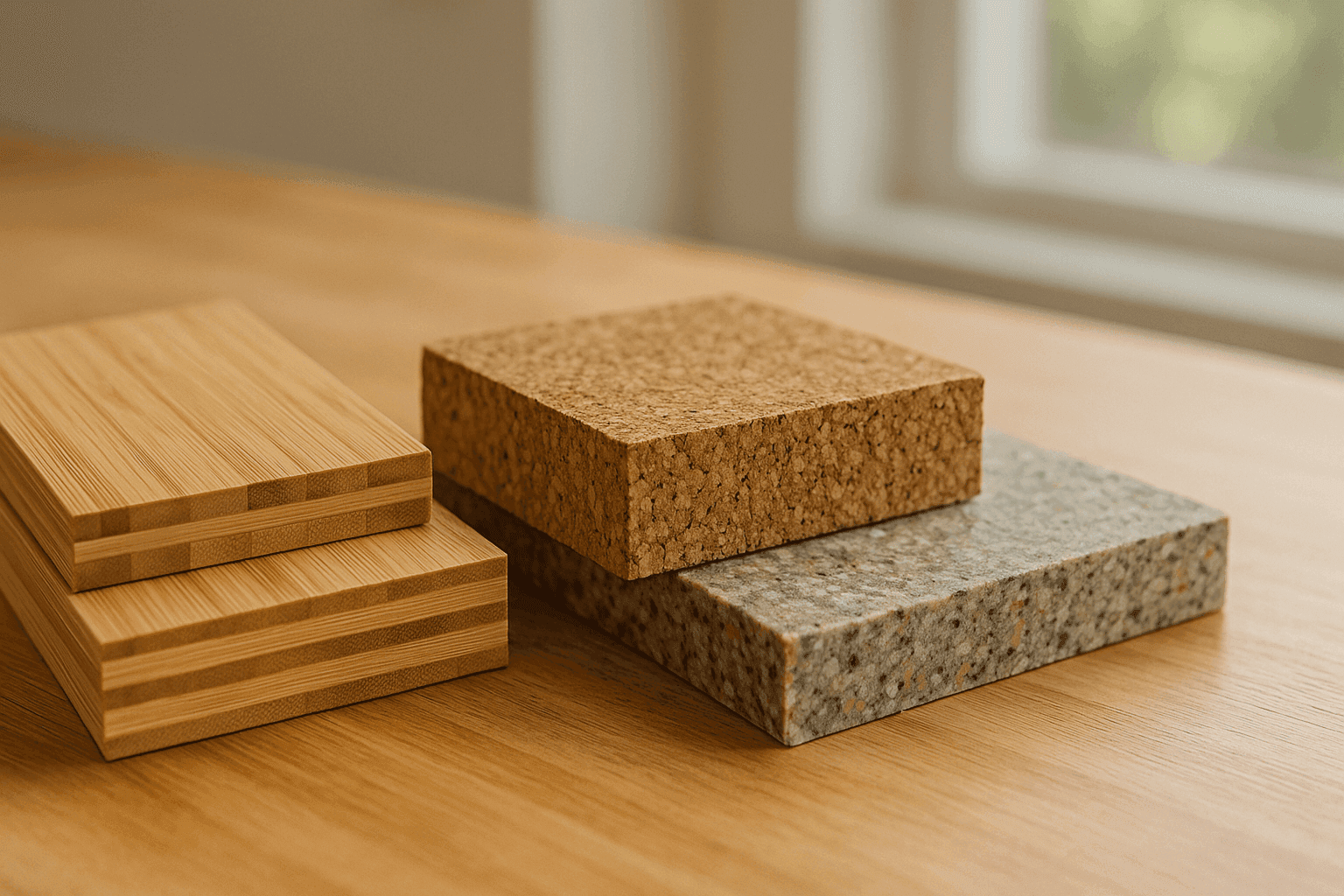
Are you dreaming of a stylish home but worried about your environmental footprint? You’re not alone. More homeowners are seeking eco-friendly flooring that’s as beautiful as it is responsible. But with so many options and claims, where do you start?
At Tianze Flooring, we know that every plank, tile, and fiber underfoot matters. Choosing sustainable flooring isn’t just a trend—it’s a commitment to the spaces you love and the planet we share.
What Makes Flooring Eco-Friendly? 🌱
Not all “green” floors live up to the name. Some products wear a cloak of sustainability but hide a tangle of chemicals or unsustainable harvesting. Real eco-friendly flooring goes deeper:
- Renewable or recycled sources: Like fast-growing bamboo or reclaimed hardwood.
- Low-impact manufacturing: Reduced energy and water use, minimal waste.
- Low or no VOC finishes: Volatile organic compounds (VOCs) are chemicals that can off-gas and harm indoor air quality.
- Certifications: Look for labels such as Forest Stewardship Council (FSC), FloorScore, or GreenGuard Gold. These mean the product has met certain environmental and health standards.
- Durability: Long-lasting floors mean less frequent replacement.
Think of it like a river. The cleaner the source and the fewer pollutants along the way, the purer the water at your feet.
Benefits of Bamboo and Cork
Bamboo and cork have become the poster children for sustainable flooring, and for good reason.
Bamboo: Fast, Strong, Versatile
Bamboo isn’t a tree; it’s a grass. It grows as quickly as a rumor—up to three feet a day in the right conditions. This lightning-fast renewal makes it one of the most sustainable choices around.
- Strength: Strand-woven bamboo can rival traditional hardwoods in toughness.
- Variety: Available in planks, tiles, and a rainbow of finishes.
- Maintenance: Easy to sweep and mop, like regular hardwood.
Cork: Soft, Quiet, Naturally Resilient
Cork flooring feels like walking on a cloud, thanks to countless tiny air pockets inside each cell. And it’s harvested without cutting down trees; instead, the outer bark is peeled and regrows every nine years.
- Comfort: Cushions steps and reduces noise.
- Naturally antimicrobial: Cork contains suberin, which resists mold and pests.
- Thermal insulation: Stays warm underfoot, great for bedrooms and playrooms.
Recycled and Natural Materials
Eco-friendly flooring isn’t limited to what’s new and fast-growing. Some of the greenest options are old souls with new stories to tell.
Reclaimed Wood
Salvaged from old barns, factories, or even ships, reclaimed wood brings character and sustainability together. Each board is a chapter, weathered and unique.
- Environmental impact: Reduces demand for new lumber and prevents waste.
- Aesthetics: No two boards are alike—think knots, nail holes, and a lived-in look.
- Certifications: FSC Recycled or Rainforest Alliance seals add peace of mind.
Luxury Vinyl Tile (LVT) with Recycled Content
Vinyl floors have come a long way. Modern LVT can contain up to 50% recycled material, yet still offer water resistance, durability, and realistic textures.
- Practical: Handles kitchens, bathrooms, and basements with ease.
- Low maintenance: Easy to clean, stain-resistant.
- Safety: Look for FloorScore certification for low VOCs.
Other Natural Choices
- Linoleum: Made from linseed oil, wood flour, and jute. Naturally biodegradable.
- Wool carpet: Renewable, naturally flame-retardant, and cozy underfoot.
Maintaining Green Floors
Eco-friendly floors deserve thoughtful care. Fortunately, most require nothing fancy—just gentle routines and a bit of vigilance.
Cleaning Tips
- Sweep or vacuum regularly: Prevents dirt from scratching soft materials like bamboo or cork.
- Damp mop, don’t drench: Excess water can warp wood and bamboo.
- Use pH-neutral cleaners: Avoid harsh chemicals that can damage finishes and pollute runoff.
Protecting Your Investment
- Rugs and mats: Trap grit at entrances and cushion high-traffic zones.
- Furniture pads: Prevent dents and scuffs.
- Sunlight: Use curtains or blinds to avoid fading from direct UV rays.
When in doubt, follow the manufacturer’s instructions—and remember, a little care goes a long way.
How to Avoid Greenwashing
It’s easy to be dazzled by “eco” labels. But some products are more costume than commitment.
Red Flags
- Vague claims: “Natural,” “eco-friendly,” or “green” without specifics.
- No certifications: Reliable products display credible seals.
- Short warranties: True sustainability should last.
What to Look For
- Ingredient transparency: Clear info on adhesives, finishes, and sources.
- Third-party certifications: FSC, FloorScore, GreenGuard Gold, or Cradle to Cradle.
- Installer experience: Ask about their track record with sustainable materials.
Think of greenwashing as a wolf in sheep’s clothing. Always check under the wool.
Evaluating Products and Installers
Choosing eco-friendly flooring is a bit like picking produce at the market. You want the freshest, healthiest option that fits your needs—and you want to know where it came from.
Practical Steps
- Ask for documentation: Request certification details and safety data sheets.
- Visit a showroom: See and touch samples, ask questions about sourcing.
- Consult reviews: Look for testimonials from real homeowners.
- Discuss installation: Sustainable floors need proper subfloor prep and adhesives.
A skilled installer makes the difference between a floor that lasts and one that disappoints.
Certifications to Know
Navigating the alphabet soup of certifications can be confusing. Here are a few that matter:
- FSC (Forest Stewardship Council): Wood from responsibly managed forests.
- FloorScore: Low emissions of VOCs.
- GreenGuard Gold: Rigorous testing for indoor air safety.
- Cradle to Cradle: Assesses material health, recyclability, and social fairness.
Refer to the U.S. Environmental Protection Agency (EPA) and the U.S. Green Building Council for additional guidance.
Durability and Lifespan
No one wants to redo their floors every few years. The most sustainable choice is often the one that endures.
- Bamboo: 20–25 years with proper care.
- Cork: 10–30 years, thanks to its resilience.
- Reclaimed wood: Up to a lifetime—these planks have already stood the test of time.
- LVT with recycled content: 15–20 years, water-resistant, and tough underfoot.
Longer life means less waste, fewer resources, and a happier home.
Common Questions
Is eco-friendly flooring more expensive?
It can be, but not always. Upfront costs may be higher for materials like FSC-certified wood or high-quality bamboo. But savings add up over time through durability, fewer replacements, and lower maintenance.
Can you use radiant heat with green floors?
Many eco-friendly floors, like bamboo, cork, and certain LVTs, are compatible with radiant underfloor heating. Always check the manufacturer’s guidelines for temperature limits.
What about allergies?
Low-VOC, natural materials like cork, linoleum, and wool carpet are great for allergy-prone homes. They resist dust and mold better than some synthetics.
How do I know if a flooring product is really sustainable?
Look for credible certifications and ask about sourcing. If the answers are murky or evasive, keep shopping.
Local and Seasonal Considerations
Humidity, temperature swings, and local building codes all play a role in your flooring’s performance.
- Basements: Opt for water-resistant LVT or sealed concrete.
- Dry climates: Bamboo and cork can shrink; acclimate them before installation.
- Cold regions: Cork, wool, and radiant-heated floors keep things cozy.
Always follow local building codes and consult resources like the National Wood Flooring Association (NWFA) for best practices.
Bringing It All Together
Eco-friendly flooring is more than a label—it’s a choice that shapes your home, your comfort, and your impact on the world. Whether you’re leaning toward bamboo, cork, reclaimed wood, or recycled LVT, every step matters.
Ready to create a greener, healthier home from the ground up?
Call Tianze Flooring now — or reach us anytime at 844-484-7051 .