Do I Need a Moisture Barrier? Flooring Protection Explained
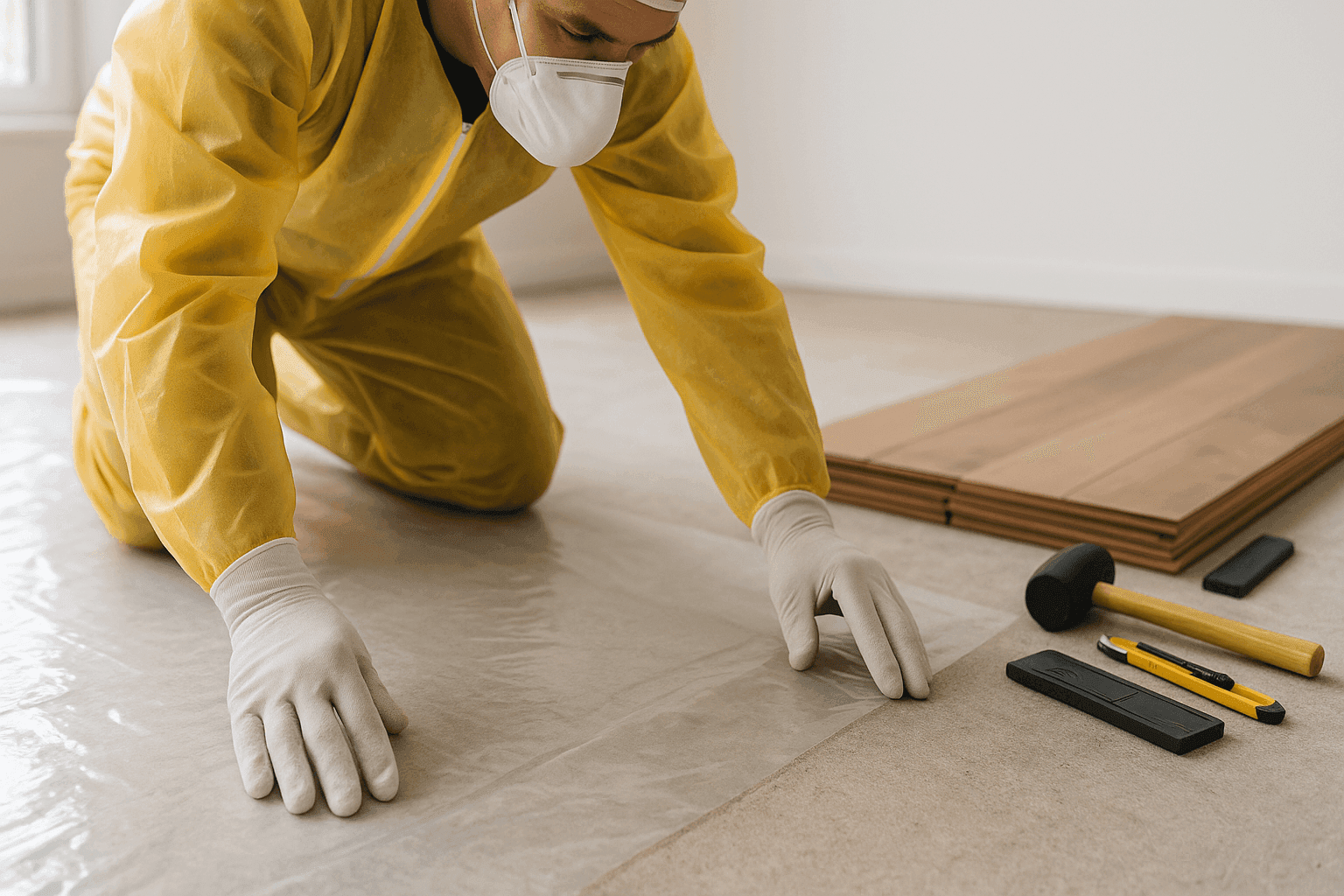
Is your floor safe from water sneaking in below the surface? You might not see the problem—until it's too late. At Tianze Flooring, we've seen beautiful floors ruined because a simple step was skipped: the moisture barrier.
You don’t need to be a flooring pro to protect your home. But you do need to know when moisture barriers matter, what types to choose, and the warning signs of hidden trouble. Let’s break it down, plain and simple.
What is a Moisture Barrier? 💧
Think of a moisture barrier like a raincoat for your floors. It’s a layer—plastic sheet, special paint, or even a sealant—that keeps unwanted water vapor or spills from seeping into your flooring or subfloor.
Moisture barriers are often required with:
- Hardwood
- Laminate
- Vinyl planks and tiles
- Bamboo
- Carpet over concrete
Why? Because even a little water under the surface can turn into big headaches—warped planks, musty smells, or cracked tiles.
These barriers are especially important if you’re installing flooring over concrete, in basements, or anywhere that’s prone to dampness (think laundry rooms, kitchens, or slab-on-grade homes).
Signs You Need Moisture Protection
Some floors cry out for help. Others whisper—until disaster strikes. Watch for these early warning signs:
- Musty or earthy odors, especially after rain or washing
- Discoloration, stains, or dark patches on floors
- Buckling, lifting, or “spongy” feeling underfoot
- Cracking, popping, or “cupping” planks
- Persistent condensation or dampness on foundation walls
If your house sits low, near water, or on a concrete slab, your risk is higher. Even with commercial flooring near you, moisture can sneak up. Sometimes, the only clue is a sudden spike in allergies—a sign of hidden mold.
Types of Barriers for Different Floors
Every floor has its own needs. Choosing the right moisture barrier is like picking the right umbrella for a storm.
- Plastic Sheeting (Polyethylene): The classic choice for concrete subfloors—thick, strong, and laid directly under the flooring.
- Liquid Membranes: Painted or rolled on, these form a rubbery, seamless layer—handy for bathrooms, kitchens, and laundry rooms.
- Foam or Felt Underlayment: For laminate and engineered wood, these combine comfort, soundproofing, and moisture resistance.
- Specialized Rolls: Some high-end vinyl and hardwood systems feature built-in barriers for double protection.
- Epoxy Coatings: Garage flooring and basement floors often benefit from these tough, water-resistant layers.
Not sure what you need? Always check the flooring manufacturer’s guidelines and local building codes (like the International Residential Code, Section R506 for slabs).
DIY vs Professional Installation 🛠️
Rolling out plastic sheeting might look simple. But there’s more to it than meets the eye.
DIY Pros:
- Can save on labor costs
- Good for basic, above-grade installations
DIY Cons:
- Missed seams and gaps invite moisture
- Lack of vapor testing could mean the barrier’s useless
- Not all barriers are right for every floor type
When to Call in the Pros:
- Installing hardwood, bamboo, or expensive luxury vinyl tile
- Floors over concrete, especially in basements or garages
- Large or complex spaces (multi-room or open concept)
- If you spot early warning signs of moisture
Professionals use specialized tools—like moisture meters—to read your subfloor. They’ll know how to overlap seams, seal edges, and meet code. A well-done barrier is like insurance for your floor.
Risks of Skipping a Moisture Barrier
Skipping this step? It’s like leaving your windows open in a rainstorm. Here’s what can happen:
- Warping & Buckling: Wood swells and planks lift, causing tripping hazards.
- Mold & Mildew: Hidden growth can undermine indoor air quality and trigger allergies.
- Unpleasant Odors: Damp floors can give off persistent, musty smells.
- Stained or Ruined Flooring: Repairs can be costly—sometimes requiring total replacement.
- Subfloor Damage: Longer-term exposure can rot wood subfloors or erode concrete.
The cost to repair moisture damage is nearly always higher than the cost of a proper barrier.
How to Spot Early Warning Signs
Stay alert—catching problems early can save your floors. Watch for:
- Unexplained dampness or puddles
- Floorboards that shift, squeak, or move
- Sudden changes in humidity indoors
- Discoloration at baseboards and seams
If anything feels “off,” it’s time to act.
Choosing the Right Product and Installer
Investing in the right barrier and installation is like choosing a lock for your front door—you want it secure.
Tips:
- Ask for products that meet ASTM standards for moisture protection.
- Look for installers with experience in your specific flooring type.
- Request a pre-installation moisture test (using a calcium chloride or electronic meter).
- Make sure your installer follows local building codes.
If a contractor brushes off your moisture concerns, keep looking. Your floor deserves better.
DIY vs Professional Installation
Some projects are perfect for a weekend warrior. Rolling out a sheet of plastic under a floating laminate? Doable for many homeowners. But if your project involves:
- Concrete subfloors
- Multiple rooms or tricky layouts
- High-value flooring
- Suspected moisture problems
…then it’s time to bring in a seasoned pro. Professional installers will run proper moisture tests and make sure every seam is sealed.
When Is a Moisture Barrier Absolutely Necessary?
A few scenarios where skipping a barrier just isn’t worth the risk:
- Basements and below-grade rooms
- Slab-on-grade homes (no crawlspace)
- Areas with high seasonal humidity
- Over radiant floor heating systems
- Commercial flooring near you in high-traffic wet zones (think gyms, laundry facilities)
Practical Maintenance Tips
Once your floor is protected, keep moisture at bay with these habits:
- Use rugs and mats at entryways
- Clean up spills fast—don’t let water sit
- Check basement and crawlspaces each season
- Maintain gutters and drainage around your home
- Use a dehumidifier in damp months
FAQ
Q: Do I always need a moisture barrier with hardwood?
A: Not always, but it’s strongly recommended over concrete or in humid climates. Follow manufacturer and code guidance.
Q: Will a barrier stop all water damage?
A: Barriers handle vapor and minor spills. Major flooding or plumbing leaks require immediate action.
Q: Can I reuse a barrier if I replace my floor?
A: No. Once removed, barriers lose effectiveness. Always install new material.
Q: Is a moisture barrier the same as underlayment?
A: Not necessarily. Some underlayments include moisture protection, but not all. Read the label.
Local and Seasonal Considerations 🌦️
Moisture risk isn’t just about what’s under your home—it changes with the seasons. Spring thaw, summer humidity, and heavy rain can all raise the stakes.
If your region gets lots of rain or has a high water table, your floors are at greater risk. Basement and garage floors often need extra protection. Areas with winter snowfall might see moisture from melting ice seep in unexpectedly.
Check with local building inspectors for code requirements in your area, and always factor in your home’s layout—slab homes, crawlspaces, and basements all have unique needs.
Protecting your floor is protecting your home—simple as that. If you’re unsure what your space needs, or want a pro’s eye on your flooring project, we’re ready to help.
Call Tianze Flooring now — or reach us anytime at 844-484-7051 .