Flooring for Basements and Garages: Moisture, Durability, and Style
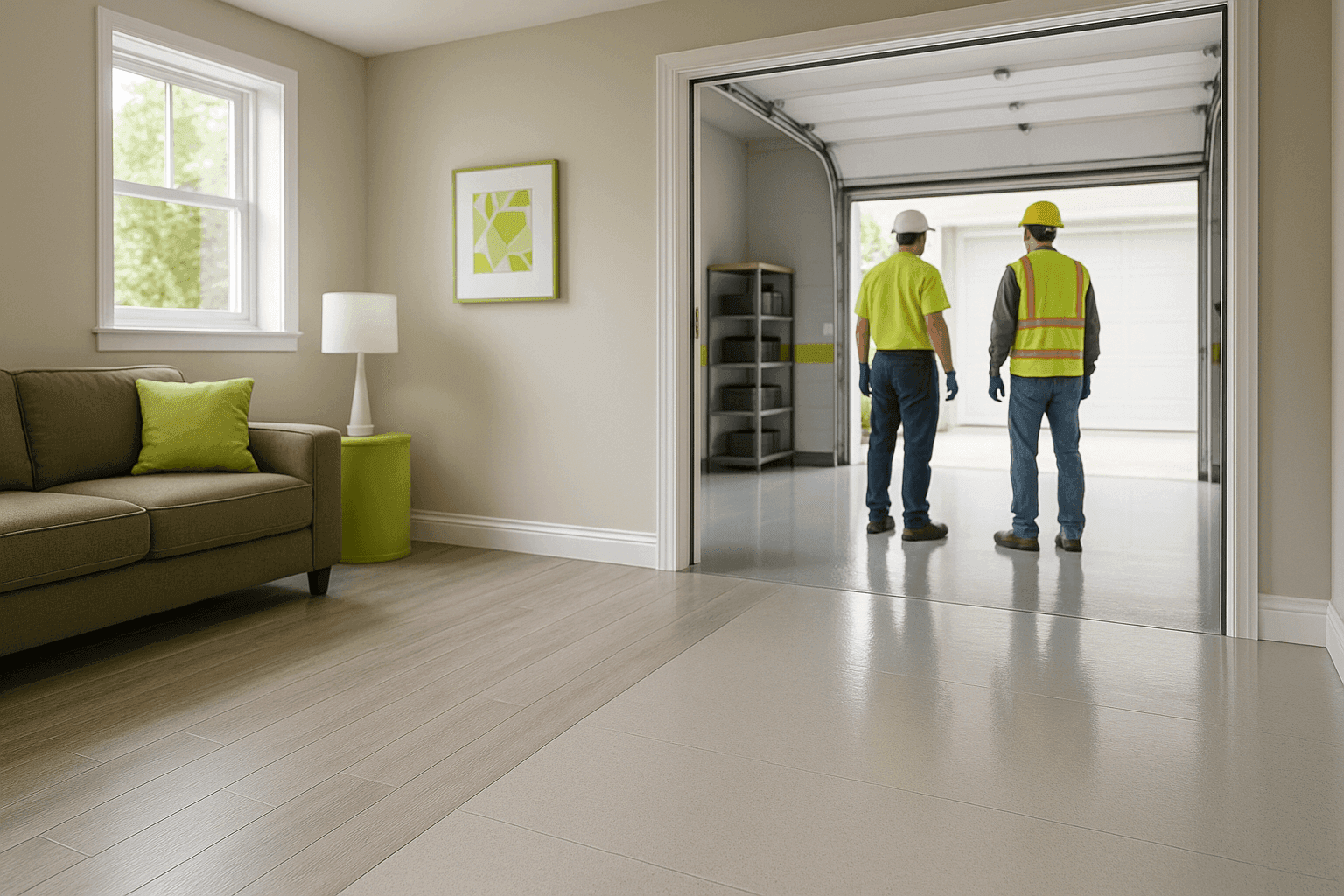
Ever step into your basement or garage and feel that chill—damp, musty air curling around your ankles? Maybe you’ve seen the ghostly outline of water stains, or the cracks spidering across the concrete. Floors in these areas work overtime. They face floods, mud, salt, and sometimes even the family dog’s muddy paws. At Tianze Flooring, we’ve walked countless basements and garages, helping homeowners reclaim these spaces with flooring that stands up to the challenge.
Why does the right floor matter? Because these rooms are more than storage—they’re workshops, gyms, playrooms, and safe havens. Let’s talk about how you can turn your basement or garage into a space that lasts, resists moisture, and looks good doing it.
Challenges of Below-Grade Spaces 🏚️
Basements and garages share one big enemy: moisture. Water seeps up from below, sneaks in from the sides, and invites mold to the party. But that’s not all. Think of your floor as the shield for your home’s foundation. It takes hits from dropped tools, car tires, and even the weight of heavy appliances.
Common headaches for homeowners:
- Persistent dampness, even when it hasn’t rained
- Musty smells that never quite go away
- Cracking, peeling, or buckling floors
- Pooling water during storms or snowmelt
- Mold and mildew hiding in corners
Ignoring these problems is like letting a leaky umbrella drip on your favorite book. Over time, the damage adds up—sometimes out of sight, always out of mind.
Building codes and safety: The International Residential Code (IRC) recommends moisture barriers below finished basement floors. This isn’t just about comfort; it’s about protecting your investment and your family’s health.
Best Flooring Types for Basements
The ground beneath your feet matters. Choosing the right flooring can mean the difference between a cozy, dry retreat and a perpetual headache.
Top Basement Flooring Choices
- Luxury Vinyl Tile (LVT) & Plank (LVP): Waterproof, warm underfoot, and available in every style from rustic wood to sleek stone.
- Epoxy Coatings: Seals concrete against moisture, creates a seamless surface, and resists stains.
- Tile Flooring: Porcelain and ceramic tile shrug off water and are easy to clean, but need a flat, level subfloor.
- Engineered Hardwood: If you love the warmth of real wood, engineered planks handle moisture better than solid wood.
- Carpet Tiles: Soft, easy to replace if one gets wet, and adds insulation against chilly floors.
- Bamboo and Cork: Eco-friendly choices that work if moisture is well managed.
- Concrete Stain or Paint: Cost-effective and modern, but may need resealing to stay beautiful.
What to Avoid
- Solid hardwood: Swells and warps with basement moisture.
- Standard laminate: Unless rated for wet environments, it won’t last.
- Unsealed carpet: Traps moisture and invites mold.
Pro tip: Always install a moisture barrier—like 6-mil polyethylene sheeting—before your new floor. It’s your invisible insurance policy beneath the beauty.
Garage Flooring: Strength and Style 🚗
Garages are battlefields. Hot tires, road salt, oil spills, and heavy tools all take their toll. But that’s no reason to settle for drab, cracked concrete.
Flooring That Goes the Distance
- Epoxy Flooring: Turns your garage into a showroom. Easy to clean, resists chemicals, and hides small cracks. Available in everything from solid colors to shimmering metallic finishes.
- Interlocking Tiles: Snap together like puzzle pieces. Great for DIYers and easy to replace if damaged.
- Polyaspartic Coatings: Even tougher than epoxy and can be installed year-round.
- Rubber Flooring: Cushions dropped tools and reduces noise—perfect for home gyms or hobby spaces.
- Sealed Concrete: Simple, classic, and keeps dust down.
Avoid These in Garages
- Unsealed concrete: Dusty, stains easily, and soaks up oil like a sponge.
- Traditional hardwood or laminate: Won’t survive the temperature swings or moisture.
Style tip: Want a garage that feels like part of your home? Choose colors and finishes that complement your house, or add speckles for a fun, modern twist.
Epoxy, Vinyl, and Tile Solutions
Some floors are like superheroes—tough, versatile, and ready for anything. Epoxy, vinyl, and tile are the triple threat for basements and garages.
Epoxy
- Forms a waterproof, seamless surface.
- Fights off stains, oil, and even road salt.
- Available in bold colors, patterns, and even custom logos.
Installation tip: Proper prep is key. Concrete must be dry, clean, and etched for epoxy to bond.
Luxury Vinyl (LVT/LVP)
- Snaps together for quick installs.
- Softens footfalls and insulates against cold.
- Comes in limitless styles—wood, stone, or modern textures.
Tile
- Delivers unmatched durability.
- Withstands floods and heavy use.
- Needs a flat, crack-free subfloor and careful grouting.
Moisture barriers: Always install one before laying vinyl or tile. It’s the silent hero that keeps mold and damage at bay.
Maintenance and Longevity 🧹
A beautiful floor is only as good as its upkeep. The good news? Today’s best flooring options are designed for busy lives and real messes.
Cleaning Made Simple
- Epoxy/Sealed Concrete: Sweep and mop with mild cleaners. Avoid harsh abrasives.
- LVT/LVP: Damp mop or vacuum. No wax needed.
- Tile: Sweep regularly, mop with pH-neutral cleaner, and reseal grout every year.
- Carpet Tiles: Vacuum weekly, spot clean as needed. Replace tiles if stained.
Preventing Mold and Flood Damage
- Use a dehumidifier in damp seasons.
- Fix leaks and address drainage issues promptly.
- Keep floor drains clear.
- Store items off the floor on shelves or platforms.
- Check for condensation on walls and pipes.
Remember: The Environmental Protection Agency (EPA) warns that mold can grow within 24–48 hours of water exposure. Quick action is key.
Installation Tips: DIY or Call a Pro?
Basement and garage floors can be DIY projects—but there’s a reason many homeowners call in professionals.
When to DIY
- Installing interlocking tiles or click-together vinyl.
- Painting or staining concrete with basic prep.
- Small carpet tile jobs.
When to Call a Pro
- Epoxy or polyaspartic coatings (surface prep is everything).
- Large tile installations (requires a perfectly level subfloor).
- Moisture barrier installation.
- Floor leveling or subfloor repair.
Tip: If your floor has cracks, high moisture, or uneven spots, professional help saves time, money, and stress in the long run.
Moisture Barriers: The Unsung Hero
Beneath every great basement or garage floor is a moisture barrier quietly doing its job.
- Polyethylene sheeting: Laid over concrete before flooring goes down.
- Liquid membrane: Painted or rolled on for seamless protection.
- Vapor retarder underlays: Essential under floating floors.
Building code reminder: The IRC and ASTM International both recommend vapor barriers below finished floors in basements to reduce mold risk.
When Water Strikes: Handling Floods and Leaks
Sometimes, even the best floors get tested. Spring thaws, heavy rains, and plumbing mishaps can all turn your floor into a shallow pond.
First Steps
- Remove standing water as soon as possible.
- Use fans and dehumidifiers to dry the area quickly.
- Remove area rugs or carpet tiles to dry separately.
- Call a flooring professional if you spot warping, bubbling, or mold.
Safety: Never walk on a wet floor if electrical outlets or wiring are submerged. Call a licensed electrician first.
Costs & Time Factors
Every floor and project is unique, but here’s what to expect:
- Material costs vary: Epoxy and tile are generally pricier than vinyl or carpet tiles.
- Labor: Professional installation can double the cost but ensures a lasting finish.
- Time: Quick DIYs (like interlocking tiles) can be done in a weekend. Epoxy or tile may take several days for prep, installation, and curing.
- Upkeep: Budget for routine cleaning and resealing every few years.
Value tip: Quality flooring can boost your home’s value and make your basement or garage a true extension of your living space.
Frequently Asked Questions
Q: Can I put hardwood flooring in my basement or garage?
A: Solid hardwood is not recommended for these areas due to moisture risks. Engineered hardwood is better, but only with proper barriers and climate control.
Q: How do I know if I need a moisture barrier?
A: If your concrete feels cool or damp, or you’ve had water issues before, a moisture barrier is essential.
Q: Is epoxy flooring slippery?
A: Standard epoxy can be slick when wet, but additives like anti-slip granules can be mixed in for safety.
Q: How long does garage or basement flooring last?
A: With the right material and care, most quality floors last 10–20 years or more.
Local and Seasonal Considerations 🌦️
Every region has its quirks—freezing winters, wet springs, or humid summers. Seasonal flooding and freeze-thaw cycles can challenge any floor.
- In colder climates, radiant floor heating is a smart upgrade for comfort and efficiency.
- In flood-prone areas, choose waterproof materials and keep sump pumps in working order.
- For high humidity, run a dehumidifier and check for condensation regularly.
Remember: Your basement or garage floor isn’t just a surface—it’s a system that protects your home year-round.
Ready to transform your basement or garage into a space that stands strong, stays dry, and looks fantastic? Call Tianze Flooring now — or reach us anytime at 844-484-7051 .