Emergency Flooring Repairs: What Homeowners Should Do Immediately
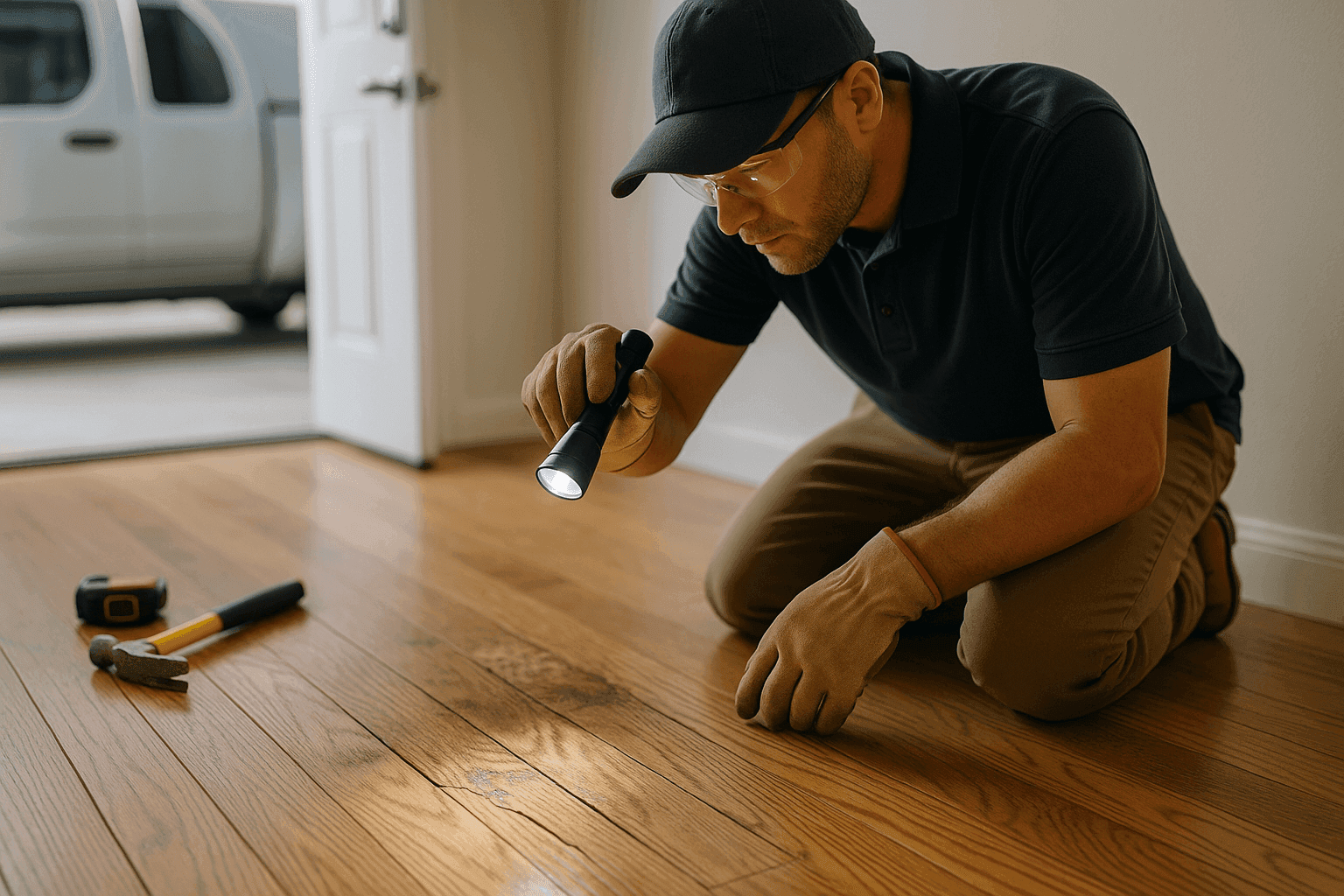
When disaster strikes your floors, every second counts. Water pours in from a burst pipe. Tiles crack underfoot. Boards warp and buckle like a roller coaster. You’re left staring at the damage, wondering what to do next.
Take a deep breath. You’re not alone. At Tianze Flooring, we’ve seen it all—spills, storms, and surprises that can turn your living room into a construction zone overnight. This guide will help you spot urgent flooring problems, protect your home, and know when it’s time to call in the pros.
Identifying Flooring Emergencies 🚨
Some flooring issues can wait. Others demand action right now. But how do you tell the difference?
Common Signs of Emergency Flooring Problems
- Sudden Water Damage: Puddles, wet carpets, or swelling boards after leaks or storms.
- Cracks or Buckling: Tiles split, hardwood planks pop up, or laminate edges curl.
- Soft Spots or Sagging: The floor feels spongy, wobbly, or unsafe to walk on.
- Mold or Musty Smells: Unexplained odors, even if you can’t see mold yet.
- Exposed Nails, Screws, or Sharp Edges: Trip hazards or injury risks.
What Causes These Emergencies?
- Plumbing Failures: Burst pipes, leaky appliances, or overflowing tubs.
- Weather Events: Flooding, heavy rain, or snowmelt seeping indoors.
- Structural Issues: Foundation settling, subfloor rot, or termite damage.
- Improper Installation: Gaps, loose tiles, or uneven surfaces from the start.
If your floor changes overnight, or you see water where it shouldn’t be, treat it as urgent.
Immediate Actions to Protect Your Floors
Time is your best friend—and worst enemy—in a flooring emergency. Here’s how to act fast:
Step 1: Stop the Source
- Turn off water valves if you suspect a leak.
- Move appliances away from the affected area.
- Block more water from entering, if possible.
Step 2: Protect Yourself
- Unplug electronics near the damage.
- Wear shoes with good grip to avoid slipping.
- Watch for exposed nails or sharp edges.
Step 3: Remove Excess Water
- Use towels, mops, or a wet/dry vacuum to soak up standing water.
- Open windows or use fans to speed up drying.
- For carpets, lift the edges to allow airflow underneath.
Step 4: Cover and Contain
- Place plastic sheeting or tarps over wet spots to prevent more damage.
- Lay down old towels or blankets to soak up moisture.
- Move furniture and rugs out of the area.
Step 5: Document the Damage
- Take photos for insurance claims.
- Note when and how the problem started.
Quick Safety Checklist
- [ ] Turn off electricity in affected areas if water is present
- [ ] Wear protective gloves and shoes
- [ ] Avoid walking on unstable or sagging floors
- [ ] Keep kids and pets away from the area
- [ ] Ventilate the space to reduce mold risk
If you’re unsure about safety, step back and wait for help.
DIY Fixes vs. Calling a Pro
Some fixes are like slapping a bandage on a scrape. Others need a surgeon.
When You Can DIY
- Minor spills or small puddles on waterproof floors
- Tightening loose floorboards if you have the right tools
- Cleaning up dirt or mud before it sets
When to Call a Professional
- Water has soaked into hardwood, carpet, or subflooring
- Cracks, buckling, or soft spots appear suddenly
- Mold is visible or smells strong
- Electrical outlets or wires are near the damage
- You’re unsure about the safety of the floor
Flooring pros have specialized equipment—industrial fans, moisture meters, and years of experience. Sometimes, a quick call can save you thousands in repairs down the line.
What the Pros Do When They Arrive
You’ve called in the cavalry. Here’s what to expect:
- Inspection: A thorough look at all layers—surface, underlayment, subfloor.
- Moisture Testing: Using meters to find hidden wet spots.
- Removal of Damaged Materials: Pulling up carpet, boards, or tiles as needed.
- Drying and Dehumidifying: Setting up fans and dryers to stop mold.
- Sanitizing: Cleaning and treating areas to prevent bacteria or mold growth.
- Repair or Replacement: Installing new flooring or patching damaged spots.
- Safety Checks: Ensuring the area is safe for your family to return.
The process follows industry standards, such as those from the Institute of Inspection Cleaning and Restoration Certification (IICRC) and local building codes.
Preventing Future Emergencies
A little prevention is worth more than a truckload of repairs.
Maintenance Tips
- Inspect floors regularly for signs of leaks, cracks, or movement.
- Keep gutters and drains clear to prevent water from seeping indoors.
- Use rugs or mats in entryways to catch moisture and grit.
- Reseal grout and finish on tile or hardwood as needed.
Moisture Barriers and Soundproofing
- Install moisture barriers under new floors, especially in basements or over concrete.
- Consider soundproofing underlays for multi-story homes.
Professional Inspections
- Schedule annual flooring checkups—especially if you’ve had issues before.
- Ask about eco-friendly and water-resistant flooring options for vulnerable areas.
Costs & Time Factors
Emergency flooring repairs can range from a quick fix to a major project. Here’s what to expect:
- Time: Simple drying may take a few hours; more extensive repairs can last days.
- Cost Factors: Type of flooring, size of the affected area, and materials needed.
- Insurance: Many policies cover sudden water damage, but not gradual wear.
Acting quickly can keep costs down—waiting often makes things worse.
When It’s Truly an Emergency
Not every squeak is a siren. But call for immediate help if:
- Water is spreading fast or soaking into floors and walls.
- The floor feels unsafe to walk on.
- Mold is spreading rapidly or you smell strong musty odors.
- You see electrical hazards, like sparks or wet outlets.
If you’re ever in doubt, err on the side of caution. Your safety comes first.
FAQ
How soon should I act after water damage?
Immediately. The first 24–48 hours are crucial to prevent mold and structural damage, as advised by the Environmental Protection Agency (EPA).
Can I walk on a wet or damaged floor?
Only if it feels solid and safe. Avoid any areas that are soft, sagging, or have exposed nails or wires.
What if I can’t find the source of the problem?
Turn off water and electricity to the area, then call a professional. Hidden leaks can cause major long-term issues.
Will my insurance cover emergency flooring repairs?
Policies vary. Document everything and contact your insurer as soon as possible.
Special Considerations for Emergency Flooring
- Radiant Floor Heating: If your floors have built-in heating, turn off the system and inform the repair team.
- Eco-Friendly Materials: Some sustainable floors, like bamboo or cork, can be more sensitive to moisture—dry them quickly.
- Garage, Deck, or Outdoor Floors: These may require special coatings or waterproofing after repairs.
- Basements: Watch for recurring leaks or high humidity—consider a dehumidifier.
Every home is unique, but quick action and the right help can make all the difference.
Call Tianze Flooring now — or reach us anytime at 844-484-7051 .