Luxury Vinyl Plank vs. Laminate Flooring: Pros, Cons, and Costs
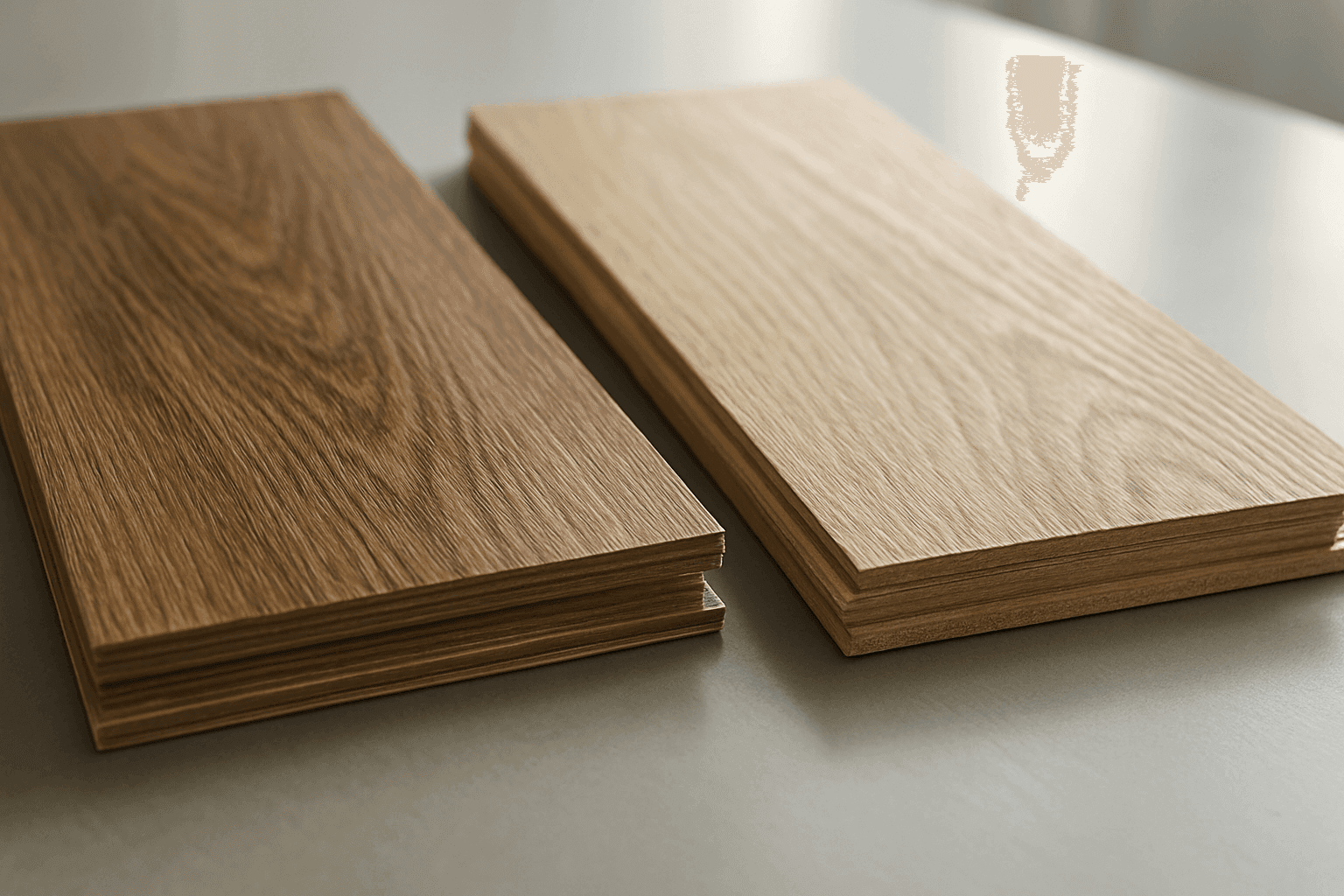
Choosing new flooring feels a bit like picking the right shoes for a long journey. The wrong pair? Feet hurt. The right pair? You barely notice them, and they carry you further than you thought possible.
At Tianze Flooring, we know how overwhelming the world of residential flooring options can be—especially when it comes down to two of the most popular choices: luxury vinyl plank (LVP) and laminate. Both look great, both are durable, and both claim to be "easy" on your wallet. But which one fits your home, your lifestyle, and your daily needs best?
Let’s break down the facts so you can step forward with confidence.
What Is LVP? What Is Laminate?
Imagine two paths in the forest. Both look inviting—they even seem similar from a distance. But underfoot, they’re different.
Luxury Vinyl Plank (LVP) is made mostly from vinyl, with a core layer, a printed design that mimics wood or stone, and a tough wear layer on top. It’s flexible, waterproof, and can handle a splashy kitchen or a muddy entryway with ease.
Laminate Flooring is built from high-density fiberboard (HDF) at its core, with a photographic layer of wood grain and a durable resin finish. It’s sturdy, feels solid, and brings a classic look to bedrooms or living rooms.
Both mimic hardwood but come with their own twists.
Key Features at a Glance
- LVP: Fully waterproof, softer underfoot, realistic looks, often warmer to the touch.
- Laminate: Water-resistant (not waterproof), firmer feel, crisp patterns, often more affordable.
Performance in Kitchens and Basements 🍳
Floors in kitchens and basements face daily battles: spills, drips, humidity, and sometimes even little floods.
LVP is like a raincoat for your floor. Drop a cup of juice or face a leaky washing machine? It shrugs off moisture without swelling. This makes it a solid pick for kitchens, laundry rooms, basements, and even bathrooms.
Laminate is more like a windbreaker: good for everyday messes, but it can’t handle standing water. Spills should be wiped up quickly. In basements, where moisture sneaks in from below, laminate needs a serious moisture barrier underneath.
Real-World Use Case:
A family with young children and a busy kitchen might lean toward LVP for peace of mind during pancake mornings and spaghetti nights. Laminate fits better in low-moisture areas like bedrooms or upstairs offices.
Pros and Cons: Durability, Water Resistance, and Aesthetics
Let’s stack up the planks side by side.
Luxury Vinyl Plank (LVP)
Pros:
- Waterproof: Can handle standing water and high humidity.
- Soft & Quiet: Feels warmer and softer underfoot, muffles noise—ideal for playrooms or pet owners.
- Realistic Look: High-end LVP often fools even the keenest eye.
- Flexible Installation: Works on almost any subfloor, including concrete.
Cons:
- Cost: Quality LVP can run pricier than entry-level laminate.
- Fading: Can fade under harsh, direct sunlight over many years.
- Feel: Some people prefer the firmer feel of laminate or real wood.
Laminate
Pros:
- Budget-Friendly: Generally less expensive than LVP.
- Scratch Resistance: The resin top layer shrugs off pet nails and chair legs.
- Crisp Patterns: Photographic layer delivers sharp, detailed wood looks.
Cons:
- Moisture Sensitive: Not waterproof; boards may swell if water seeps in.
- Sound: Can sound hollow or echoey unless installed with a quality underlayment.
- Repair: Hard to patch if damaged; often needs plank replacement.
Expert Reference:
The North American Laminate Flooring Association (NALFA) sets standards for scratch resistance and moisture performance. Always check for NALFA certification for peace of mind.
Installation and Maintenance 🧰
Installation
Both LVP and laminate snap together using a tongue-and-groove system—like a life-sized puzzle. Still, each has quirks:
- LVP: Can be floated (no glue), glued down, or even loose-laid. Some options are thin and flexible, making them forgiving on uneven subfloors.
- Laminate: Almost always a floating floor. Needs a smooth, dry, and level subfloor. Moisture barrier is a must in basements or over concrete.
DIY Tip:
LVP is generally easier for first-timers. It’s forgiving if your cuts aren’t perfect, and smaller mistakes can be hidden under baseboards.
Maintenance
- LVP: Damp mop, sweep, or vacuum. Avoid harsh chemicals and abrasive tools.
- Laminate: Dry mop or vacuum. Use a barely-damp cloth for sticky messes—never soak. Avoid steam cleaners.
Routine care keeps both types looking sharp. For deep cleaning or stubborn stains, Tianze Flooring recommends referencing the manufacturer’s care guide or reaching out for a quick consultation.
Price Breakdown 💸
Let’s talk numbers—not quotes, but honest ballparks.
-
Luxury Vinyl Plank (LVP):
- Material: $2–$7 per square foot (mid to high quality)
- Installation: $2–$5 per square foot
-
Laminate:
- Material: $1–$4 per square foot (mid to high quality)
- Installation: $1.50–$4 per square foot
Factors that affect pricing:
- Quality: Thicker wear layers and more realistic visuals cost more.
- Subfloor Prep: Leveling, moisture barriers, or subfloor repair can add to the total.
- Location: Stairs and odd-shaped rooms often take more labor.
Practical Tip:
Always budget 5–10% extra material for cuts and future repairs.
Which Is Right for You? Real-World Scenarios
- Busy Households With Kids or Pets: LVP’s waterproof nature and softer feel help it stand up to muddy paws, wet boots, and all the surprises kids bring.
- Low-Moisture Rooms or Tight Budgets: Laminate excels in bedrooms, hallways, and offices—especially if you want classic looks for less.
- Rental Properties: LVP holds up under heavy use, making it a smart investment for long-term durability.
Additional Tips for Choosing Residential Flooring
- Check for Floor Leveling Needs: Uneven floors? LVP may be more forgiving, but severe dips still need attention.
- Soundproofing: Both can be paired with underlayment to reduce noise between floors.
- Eco-Friendly Options: Look for GreenGuard or FloorScore certifications, ensuring lower VOCs and safer indoor air.
For basements or below-grade rooms, always reference local building codes for moisture protection requirements.
Frequently Asked Questions
Will LVP or laminate increase my home’s value?
Both offer a boost in appearance and function compared to old carpet or linoleum. LVP’s waterproofing and durability often appeal to modern buyers, while laminate’s affordability can be a selling point for budget-conscious shoppers.
Can I put LVP or laminate over existing floors?
Yes, in many cases—if the subfloor is clean, flat, and dry. Remove old carpet or damaged wood. For tile or concrete, a leveling compound may be needed.
How long do these floors last?
Quality LVP and laminate can last 10–20 years or more with proper care. Look for longer warranties as a sign of better construction.
Is radiant floor heating compatible?
Most LVP and laminate floors are compatible, but always double-check manufacturer specs and follow safety guidelines from the Radiant Professionals Alliance.
Local & Seasonal Considerations
Temperature and humidity swings can affect flooring. In areas with damp winters or humid summers, LVP’s stability makes it a steady choice. If your home sees major temperature changes, allow planks to acclimate for 48 hours before installation.
The Bottom Line
Choosing between luxury vinyl plank and laminate isn’t about picking a winner—it’s about finding the floor that fits you. Think about the rooms you’re upgrading, your daily habits, and what you want to feel under your feet each day.
Still not sure? The team at Tianze Flooring is here to help, from residential flooring consultations to installation, repairs, and everything in between.
Call Tianze Flooring now — or reach us anytime at 844-484-7051 .