Preventing and Repairing Common Floor Problems: A Homeowner's Guide
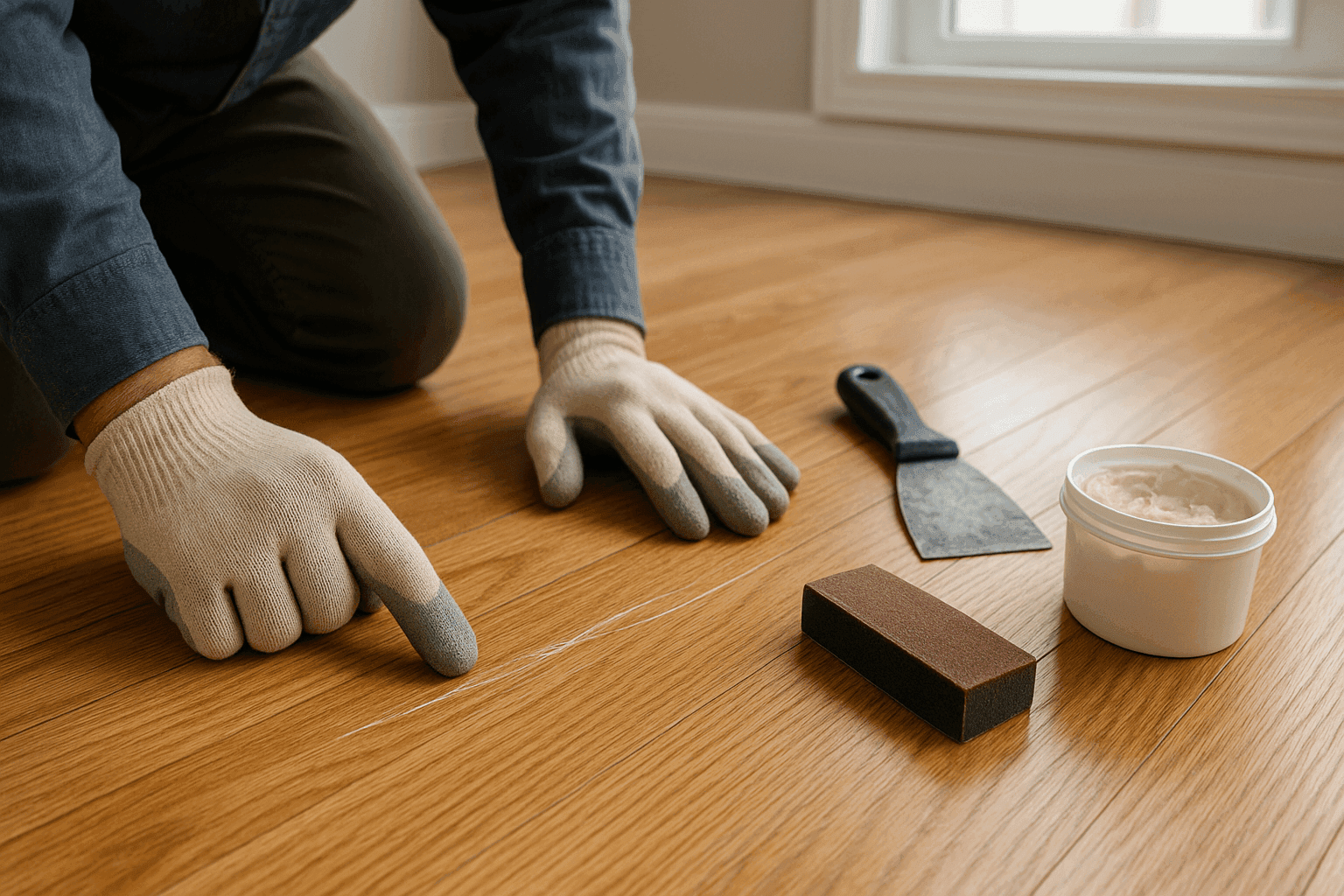
Every homeowner knows the feeling: that sinking moment when your foot finds a loose board, a new squeak, or a mysterious gap in your once-perfect floor. Floors are the foundation of daily life—literally. But with dogs, kids, furniture, and busy routines, even the toughest floors can develop cracks in their armor.
At Tianze Flooring, we’ve seen it all—scuffed hardwood, lifting vinyl, moisture spots in basements, and grout lines that just won’t stay clean. The good news? Most floor problems can be tackled head-on, especially if you know what to look for. Let’s dig into how to keep your floors safe, beautiful, and long-lasting.
Diagnosing Floor Issues 🕵️
Your floor might be trying to tell you something. Here’s how to listen.
Common Problems and What They Mean
- Squeaks and Creaks: Often a sign of loose boards or shifting subflooring. These sounds can be harmless, but sometimes indicate hidden moisture or loose fasteners.
- Scratches and Scuffs: Most common on hardwood and laminate. Pets, shoes, and moving furniture are usual suspects.
- Water Damage: Swelling, staining, or a musty smell can mean moisture is trapped below the surface. This is especially risky for hardwood, laminate, and basement flooring.
- Cracks and Chips: Tile and concrete floors can develop cracks from settling, impacts, or temperature swings.
- Gaps: Noticeable between boards or tiles when humidity drops. Gaps can signal normal seasonal changes or deeper structural shifts.
Signs It’s More Than Surface Deep
- Persistent musty odors (possible mold)
- Floors that feel soft or spongy underfoot
- Uneven surfaces or sudden dips
- Repeatedly reappearing gaps or cracks
If you spot these, especially in older homes or after major storms, it’s time to dig deeper.
How to Prevent Damage
Think of prevention like sunscreen for your floors. A little protection goes a long way.
General Tips for All Floor Types
- Use Mats and Rugs: Entrance mats trap grit, and area rugs cushion high-traffic zones.
- Felt Pads Under Furniture: These little pads can save you a world of hurt—no more gouges when you move a chair.
- Keep Floors Dry: Mop up spills right away, especially on wood or laminate.
- Trim Pet Nails: Short nails mean fewer scratches.
- Shoe-Free Zones: Consider a no-shoe policy indoors to reduce dirt and wear.
Tailored Advice by Flooring Type
- Hardwood: Refinish every few years, and maintain humidity to prevent shrinking and gaps.
- Laminate: Use only manufacturer-approved cleaners. Avoid soaking the floor.
- Vinyl & LVT/LVP: Sweep regularly and use gentle cleansers; avoid dragging heavy furniture.
- Tile: Seal grout lines and check for cracks often, especially in kitchens and bathrooms.
Moisture Is the Enemy
Moisture barriers, sump pumps, and dehumidifiers are especially useful in basements and other prone areas. The National Wood Flooring Association (NWFA) recommends maintaining indoor humidity between 30-50% for wood floors.
DIY Fixes vs. Professional Help
Is it time to roll up your sleeves, or should you call in backup?
When DIY Works
- Minor Scratches: For hardwood, use a touch-up marker or blending pencil. For laminate, try a manufacturer’s repair kit.
- Small Gaps: Wood filler or caulk can close minor gaps in wood or vinyl.
- Loose Boards: A few well-placed nails or screws can silence minor squeaks (from above or below).
- Grout Cleaning: Mild cleaners and a toothbrush can do wonders for dirty grout.
When to Call a Pro
Some problems are like icebergs—what you see is only a small part. Call Tianze Flooring if you notice:
- Large areas of buckling, warping, or discoloration
- Recurring moisture or mold issues
- Cracks that keep spreading
- Subfloor movement or unevenness
- Deep gouges or missing planks/tiles
Attempting major repairs without the right tools or know-how can make things worse and create safety hazards.
Seasonal Maintenance Checklist 🍂
Floors, like people, need a little extra care as the seasons shift. Here’s a quick list to stay ahead:
- Spring: Check for water damage after snowmelt. Clean and reseal grout or wood finishes.
- Summer: Use dehumidifiers to keep moisture in check. Inspect for expanding gaps.
- Autumn: Sweep up leaves and grit before they get tracked in. Test radiant floor heating systems.
- Winter: Watch for shrinking boards as heat dries out the air. Use area rugs at entrances to trap snow and salt.
Quick Safety Checklist
Before you start any repair, make sure:
- The area is dry and clear of tripping hazards
- All tools are in good condition
- You’re using the right cleaner for your floor type (check the label)
- You wear gloves, eye protection, and—if sanding or using chemicals—a mask
- You’ve read manufacturer and local code recommendations (OSHA guidelines are a good reference)
If you smell gas, see standing water near electrical outlets, or suspect mold, leave repairs to professionals immediately.
DIY Fixes vs. Professional Help
Some floor fixes are straightforward. Others are like opening a can of worms.
- DIY: Small scratches, cleaning, and caulking gaps are usually safe.
- Pro: Subfloor repairs, major leveling, moisture barriers, and anything involving structural changes should be left to pros like Tianze Flooring.
What Pros Do On Arrival
When you call Tianze Flooring, here’s what happens:
- Assessment: We’ll inspect your floors for visible and hidden issues.
- Moisture Testing: Specialized sensors check for hidden dampness.
- Foundation and Subfloor Inspection: We look beneath the surface for structural problems.
- Repair Plan: You get clear options, tailored to your flooring type and lifestyle.
- Repair or Replacement: Using the right tools, materials, and safety protocols as outlined by industry standards.
Our team follows National Floor Safety Institute (NFSI) and NWFA guidelines to ensure your home stays safe and your investment lasts.
Prevention & Maintenance
Consistency is key. A five-minute sweep or wipe-down can save hours of repair later.
- Clean Regularly: Dust and grit act like sandpaper underfoot.
- Inspect Monthly: Look for early signs of damage—scratches, stains, loose boards.
- Refinish and Reseal: Hardwood and tile benefit from periodic resealing. This keeps out moisture and boosts longevity.
- Schedule Annual Inspections: A professional eye can catch issues you might miss.
Costs & Time Factors
No one likes financial surprises. Here’s what impacts repair costs and timelines:
- Material Type: Hardwood and tile repairs usually cost more than vinyl or laminate.
- Extent of Damage: A single scratch is quick; widespread water damage can take days (or weeks) to fix.
- Accessibility: Floors in basements or tight spaces require more time.
- DIY vs. Pro: DIY saves on labor but may cost more in the long run if mistakes happen.
Most minor repairs can be completed in a day. Major floor leveling, subfloor work, or water damage restoration may take several days.
When It’s an Emergency 🚨
Don’t wait if you experience:
- Sudden flooding or standing water
- Floors that feel dangerously uneven or are buckling
- Signs of electrical hazards (sparking, outlets not working)
- Rapid mold growth or strong musty odors
These can pose immediate safety risks. According to the American National Standards Institute (ANSI), water-damaged flooring and electrical hazards should be addressed by trained professionals immediately.
FAQ: Common Questions
How do I know if my floor needs to be replaced or just repaired?
If damage is limited to the surface—like scratches, small chips, or dirty grout—repair is usually enough. Widespread buckling, warping, or recurring moisture problems often mean replacement is safer and more cost-effective.
Can I sand and refinish laminate flooring?
No. Unlike hardwood, laminate has a thin wear layer that can’t be sanded. Deep scratches or damage usually mean replacing planks.
How long do grout sealers last?
Most last 1–3 years, depending on traffic and cleaning habits. Check with the manufacturer and reapply as needed.
Are eco-friendly flooring options less durable?
Not necessarily. Bamboo and cork are both eco-friendly and tough, but need proper sealing and regular care to last.
Local & Seasonal Considerations
Climate makes a difference. In humid or flood-prone regions, moisture barriers and waterproof flooring are a wise investment. Cold climates can cause wood floors to shrink and develop gaps—humidifiers help maintain balance. For homes near the coast, salt and sand can scratch surfaces; regular cleaning is essential.
If you’re considering radiant heating or outdoor decks, ask about materials designed for your climate. Tianze Flooring sources products suited for all seasons and situations.
Floors shouldn’t be a source of stress. With a watchful eye and a little routine care, you can keep your floors looking and feeling their best—year after year. For bigger challenges, or if you’re not sure where to start, reach out for friendly advice and proven solutions.
Call Tianze Flooring now — or reach us anytime at 844-484-7051 .