Radiant Floor Heating: Is It Worth It for Your Home?
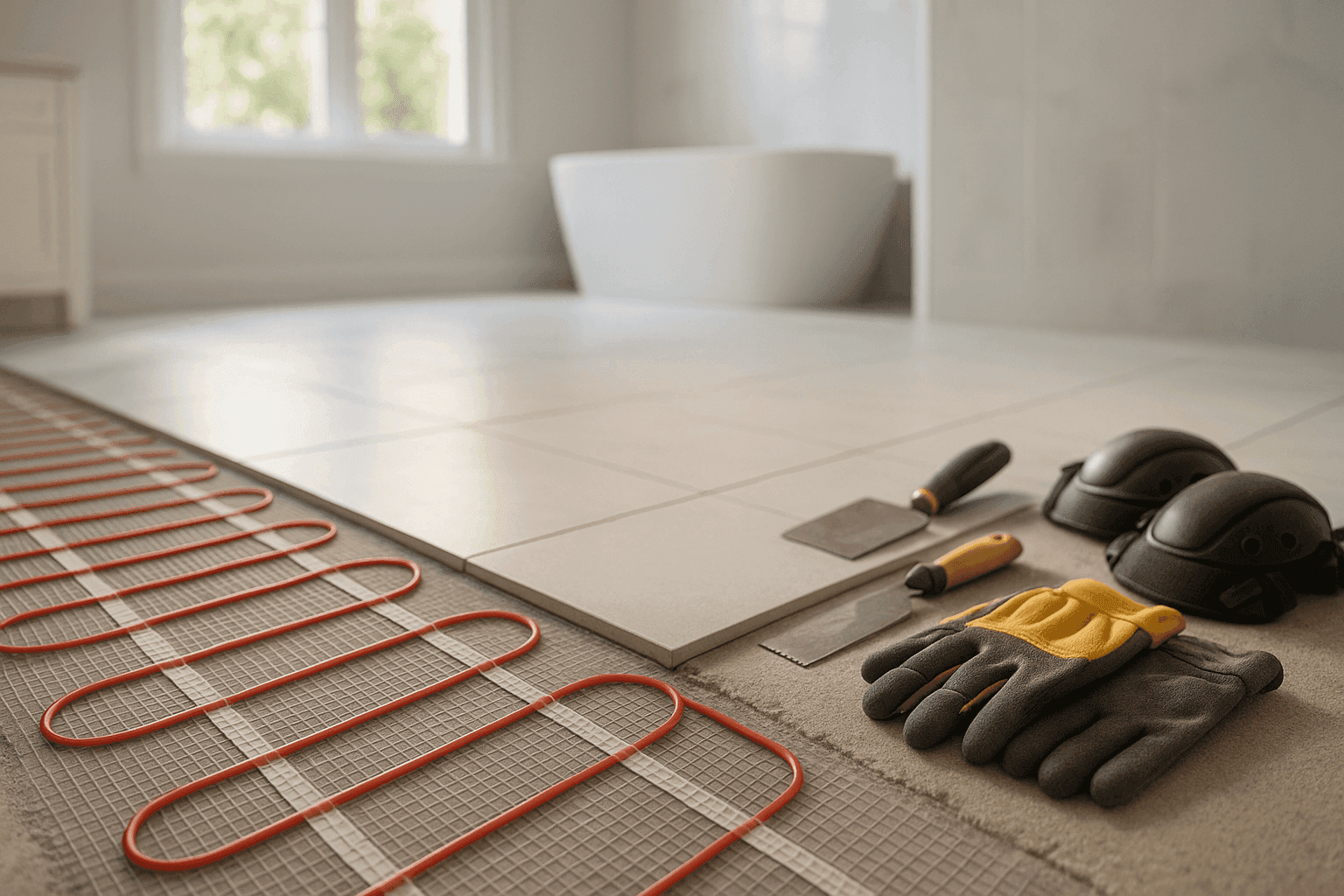
Imagine stepping out of bed on a frosty morning. Your feet touch the floor, expecting a cold shock—but instead, it’s perfectly warm. That’s the promise of radiant floor heating. For many homeowners, the idea feels almost magical.
But is it practical? And is it worth the time, money, and work? At Tianze Flooring, we’ve helped families weigh this decision for years. Let’s break it down together.
How Radiant Floor Heating Works
Radiant floor heating is like the sun on a chilly day. Instead of blowing hot air, it warms you—and everything you touch—from the ground up. There are two main types:
- Hydronic systems: Warm water flows through tubes under your floor, powered by a boiler.
- Electric systems: Cables or mats heat up using electricity, spreading warmth beneath your feet.
Both types tuck away out of sight. No vents. No radiators. Just even, gentle heat, quietly rising through your home.
The magic is in the delivery. Instead of heating the air and waiting for it to rise (like forced air does), radiant systems send warmth directly through the floor, making rooms feel cozy with less draft or dust.
Compatible Flooring Types 🏡
Not every floor is created equal when it comes to radiant heat. Some materials play nicer than others.
Best choices:
- Tile and stone: These are kings of heat transfer. They soak up warmth and release it slowly.
- Luxury Vinyl Tile (LVT) and Plank (LVP): Many products are rated for radiant systems, but always check with the manufacturer.
- Engineered hardwood: More stable than solid hardwood, it resists warping with heat.
- Laminate: Some lines work well, but you’ll want to confirm compatibility.
- Bamboo and cork: Both can work, but need professional installation to avoid moisture issues.
Challenging choices:
- Carpet: Insulates heat away, making the system less effective.
- Solid hardwood: Susceptible to expansion and contraction unless carefully managed.
Pro tip: Always check the flooring manufacturer’s radiant heat guidelines. Some floors need special adhesives, underlayments, or installation techniques.
Installation Costs and Payback
Let’s talk numbers. Installing radiant floor heating isn’t pocket change. Costs depend on:
- System type: Hydronic is more expensive upfront, but cheaper to run. Electric is cheaper to install, pricier to operate.
- Project size: Whole-house systems cost more than single rooms.
- Retrofit vs. new build: Installing during new construction is easier and cheaper. Retrofitting an existing home may require pulling up old flooring or adding extra height to floors.
Typical cost factors:
- Material costs (tubing, cables, controls)
- Labor (cutting, lifting, installing, wiring)
- Subfloor and insulation prep
- Electrical or plumbing upgrades
Payback: Radiant heat is efficient, but it’s a marathon, not a sprint. The U.S. Department of Energy notes radiant systems can be up to 30% more efficient than forced-air, especially when paired with good insulation and programmable thermostats. But the real payoff is comfort and energy savings over many years—especially if you’re replacing electric baseboard or older heating.
Comfort and Health Benefits
Here’s where radiant floor heating shines. Imagine a room that feels the same everywhere—no hot spots, no chilly corners. It’s like putting on a warm sweater instead of standing in front of a space heater.
Comfort perks:
- Even warmth: The whole floor is the heat source, eliminating cold drafts.
- Silent operation: No fans, no rattles, just quiet comfort.
- Cleaner air: No blowing dust, pollen, or pet hair around.
- Space-saving: No radiators or vents eating into your design.
Health notes: If you or your family have allergies, radiant heat can help. With fewer airborne particles and no dry, hot air, it’s gentler on skin and lungs.
Common Misconceptions 🤔
Let’s clear up a few myths:
- “Radiant heat only works with tile.” Not true. Many flooring types work, with the right prep.
- “It’s too expensive for regular homes.” It’s an investment, yes, but not just for luxury builds anymore.
- “You can’t install it in old homes.” Retrofits are possible, but planning and professional help are key.
- “It heats up instantly.” Actually, it’s more like a slow-cooking oven—steady and consistent, but not instant.
When Radiant Heat is Most Effective
Radiant systems work best in:
- New builds: It’s easier to install before floors go down.
- Major remodels: If you’re already replacing floors, adding radiant can be efficient.
- Cold climates: The bigger the winter chill, the greater the payoff.
- Rooms you use barefoot: Bathrooms, bedrooms, kitchens, and basements are popular choices.
If you live in a mild climate or rarely get cold feet, the investment may be harder to justify. But for those who crave year-round comfort, it’s a treat.
Installation: What to Expect
Installing radiant heating is a team effort. Here’s what the process usually looks like:
- Consultation: Assess your home, flooring, and heating needs.
- Floor prep: Remove old flooring, check subfloor, add insulation if needed.
- System install: Lay tubing or electric mats, connect to power or boiler.
- Flooring install: Carefully place your new floor over the system.
- Testing: Check for leaks, electrical safety, and even heating.
Safety tip: Work with licensed professionals. Wiring and water connections must follow local codes and regulations (see the National Electrical Code and local building codes).
Practical Tips for Homeowners
- Ask about controls. Programmable thermostats save money and boost comfort.
- Consider zoning. Heat only the rooms you use most.
- Pair with good insulation. Keep heat where you want it.
- Be patient. Radiant systems take longer to heat up, but hold warmth for hours.
Quick Safety Checklist
- Confirm your home’s electrical system can handle new loads (for electric systems).
- Ensure subfloors are clean, level, and dry.
- Use only flooring materials rated for radiant heat.
- Ask for a licensed electrician or plumber.
- Request a system pressure and wiring test before closing up floors.
Maintenance and Longevity
Radiant floor heating needs little fuss. But a few habits help:
- Check thermostats and controls yearly.
- For hydronic systems, have a pro inspect pumps and valves every few years.
- Watch for signs of leaks or cold spots.
- Clean floors gently—harsh chemicals aren’t needed.
A well-installed system can last decades, especially when paired with quality flooring and regular checks.
Costs & Time Factors
Installation time: Most projects take several days to a week, depending on room size and prep work.
Ongoing costs:
- Hydronic: Lower monthly energy bills, especially with efficient boilers.
- Electric: Higher running costs, best for spot-heating small spaces.
Upfront costs: Higher than baseboard or forced-air, but spread out over years of comfort.
FAQ: Radiant Floor Heating
Does radiant heating work with eco-friendly flooring?
Yes! Bamboo, cork, and some engineered options are suitable, but always confirm with your installer.
Is radiant heat safe for kids and pets?
Absolutely. No exposed hot surfaces or sharp edges—just gentle warmth.
Can it be repaired if something goes wrong?
Most electric systems are zoned for easy fixes. Hydronic systems have accessible manifolds and controls for maintenance.
Does it work under area rugs?
Use low-pile, breathable rugs and skip rubber backings to let heat through.
Local and Seasonal Considerations 🌦️
Think about your winters. In places with long, cold seasons, radiant heat can be a daily delight. In milder climates, it may be best reserved for bathrooms or basements. If you’re planning a Commercial Flooring near you project, radiant heat can even improve comfort in small offices or home studios.
Final Thoughts
Radiant floor heating is a long-term comfort upgrade—like heated seats for your home. It’s not for every budget or every floor, but for the right homeowner, it’s a daily luxury that pays off in warmth, health, and satisfaction.
Ready to explore radiant heating or other flooring options? We’re here to help.
Call Tianze Flooring now — or reach us anytime at 844-484-7051 .